• About the Author
  • Published Articles
  • Request for Quote Form
  • Request Information
  • Suggest a topic

Brian Pankratz

~ Let's Talk Packaging

Brian Pankratz

Tag Archives: buyer

– Week 1 – How to cut costs and maximize profit in the new year!

17 Monday Dec 2012

Posted by Brian Pankratz in Cost Savings, Packaging Design, Product Development

≈ 1 Comment

Tags

brian pankratz, brianjpankratz, buyer, cost reduction, cost savings, Display Pack, environment, Holiday packaging ideas, Innovation, Marketing, maximize profit, New packaging designs, new product, packaging and containers, packaging assembly, packaging companies, packaging design, Packaging solutions, pankratz, printing, single source, Supplier, thermoforming

Cutting CostsIt’s that time of year again…executives around the globe are finalizing departmental budgets and are in the process of communicating next year’s cost savings targets.  Over the next three weeks, I want to offer areas to help find these savings since many years of eliminating waste can make it difficult to find additional savings.

Please Remember!
The first thing to remember is, just because you reduce the cost of the packaging does not mean you sacrifice quality or create a less desirable package. Both cost reductions and better overall packaging can be achieved together.

Also, if you already haven’t, I want to invite you to subscribe to this blog to receive future updates in this series.  If you know others that need this information, pass it along. If you have questions or need more help, reach out to me for help.  Here we go…Week 1: New Designs That Save.

Week 1: New Designs That Save:
One of the best ways to reduce the cost of your packaging is through creating new designs. Many different objectives can be met by creating new packaging designs. The use of more cost effective materials, using less materials, creating designs that are easier to assemble, etc., are all areas to focus.

Why is design the best?
The reason I believe this to be the best method of reducing cost is because of the added benefits that will follow.  Do you think that reducing the cost of your packaging along with increased sales would benefit your company?  Of course, and that should be the main focus when you create new designs.

What else?
Other areas to review are your graphics.  Using spot colors adds cost, are they really needed?  Understand what is involved to assemble your packaging.  Look for ways to reduce labor costs in the assembly operation (number of total pcs.).  Look for ways to create added value with innovative or captivating features.  Understand the value that each change can offer whether it is reducing costs or adding more value!

Adding these all together can bring huge costs savings while also increasing additional sales.  Don’t just alter existing designs when a fresh new look is what your brand needs.

Need help?
The task of designing new packaging can be overwhelming, don’t do it without the proper consultation.  For more information on getting the most out of your packaging, don’t hesitate to get others involved.  I have been a part of this process in the past and records speak for themselves.  Winning the Ameristar Award 5 out of the last 6 years was not easy, but we are proud of the work we were able to do for our customers.

For questions or for more information on new packaging designs, contact Brian Pankratz at Mercury Plastics, Inc., bpankratz@mercuryplasticsinc.com.

Packaging Study Results Are A Must See!

11 Sunday Nov 2012

Posted by Brian Pankratz in Marketing, Packaging Design, Product Development

≈ Leave a comment

Tags

advertising, assembly, brian pankratz, brianjpankratz, buyer, co-packing, Design, designs, Display Pack, Innovation, Marketing, New packaging designs, new product, packaging, packaging and containers, packaging assembly, packaging companies, packaging design, Packaging solutions, packaging supplier, pankratz, printing, product development, Product Packaging, purchasing, single source, tamper evident, tamper resistent, thermoforming

Do you know the best way to package your product?  Does your product compete on the shelf with other products? If so, you may want to review a recent study that was conducted by Klockner Pentaplast (KP), a manufacturer of plastic films.

Summary
Klockner conducted a study to determine how consumers shop for product.  The same product was packaged in both a clamshell and a paper board carton.  The behaviors of shoppers were studied and the results were shared.

Here is what they found:
1.  Product packaged in clamshell type packaging sold on average 400 percent more.
2.  The consumer was able to find their product on average 40 percent quicker when they were able to see the product.
3.  Clamshell packaging maintained attention longer by 343 percent.
4.  Clamshell packages received 675 percent more fixations than cartons.
5.  Clamshell packages were purchased over 400 percent more than the standard paper board carton.

After they shopped
After the participants shopped, they were asked to fill out a general questionnaire about their shopping experience.  Over 88 percent stated that it was important to see the product they purchased.  They also agreed the plastic packaging was higher quality and more tamper-resistant.

My thoughts
I want to take the time to look at this study, not from a plastic film manufacturers point of view, but from someone who designs and manufacturers both clamshell and paper board carton packaging on a daily basis.

What are the main take-aways?
It is clear that when the consumer can see the product, it allows them to get a comfort of what the product is and what they are buying.  The main point of the study is clamshell vs. paper board carton.  One could argue that other types of packaging, such as windowed cartons, sealed or trapped blister packs, etc., may have a different outcome in the study.  Debating this would only get you unanswered questions, just don’t forget the main take-away, show your product!

Even bigger
We all know that packaging is considerably more complex than deciding clamshell vs. paper board carton.  If you have a clear understanding of how consumers shop, you also know that it isn’t only about clamshell vs. paper board carton.  Colors, images, brand recognition, sustainability concerns, etc. play an enormous role on how packaging is designed.

When developing packaging for your product, ensure to explore all your options.  Your packaging designs are only limited by the person designing them.  Engage innovation, creativity, and be different to draw attention to your product and gain the attention of the consumer.

Read Klockner’s full study here.

If you would like more information about ways to create new packaging designs that sell, contact Brian – bpankratz@mercuryplasticsinc.com.

Don’t miss a week! Sign-up today at http://www.brianpankratz.com to get new posts sent directly to your email.

**Series Finale** “Buyers Guide to Packaging” – Week 9: Are You Impressionable?

14 Sunday Oct 2012

Posted by Brian Pankratz in Info for Buyers, Packaging Design, Quality

≈ Leave a comment

Tags

brian pankratz, brianjpankratz, buyer, buyers, Buyers Guide, co-packing, cost reduction, cost savings, Design, designs, Display Pack, Innovation, Marketing, New packaging designs, packaging, packaging and containers, packaging assembly, packaging companies, packaging design, Packaging solutions, packaging supplier, pankratz, printing, product development, Product Packaging, purchasing, Quality, single source, sustainability, thermoforming

If you have been following the “Buyers Guide to Packaging” series from the beginning, I hope you have learned some valuable information that will help you be more successful.  I invite you to continue to follow along each week as I continue to uncover new subjects that help you to understand the packaging industry. Don’t forget to subscribe at www.brianpankratz, to have each week sent directly to your inbox.

One of My Favorites:
One of my favorite movies is “Good Will Hunting.”  There is a scene in this movie that’s absolutely awesome.  In a previous scene, Will Hunting (Matt Damon) talks bad about a painting that his psychiatrist, Sean Maguire (Robin Williams) painted.  Later in the movie, Robin Williams meets Matt Damon on a park bench and Robin Williams returns the favor speaking directly into the heart of Matt Damon.

Although Matt Damon is considered a genius on many levels, Robin Williams asks him if he has ever been inside the Sistine Chapel, or knows what it smells like when you walk in the door, or what it’s like to stand and look up at the magnificent painting with your own eyes.  He then continues to ask him if he knows what it’s like to wake up next to a woman and feel true happiness.

Although Matt Damon understands what he has read and been told, he lacks the first-hand knowledge that you can only get by actually being somewhere.  This specifically goes for your suppliers as well.  In order to get a true understanding of your supply base, you need to take the time and make the visit.

What Can You Learn?
Yes, we are all busy, however, by taking the time to visit your suppliers, you can learn a great deal about them.  If you are new to the industry, it is good to spend time with your suppliers to get an understanding of how each manufacturing process works.  If you have been in industry a while, then put your experience to work to determine if your supplier is operating to meet or exceed your expectations.

Tips for Your Visit
I want to equip you with some questions to answer during your visit.  The answers to these questions will help determine how effective the supplier is:

–  What capabilities does the supplier have?
It is good to use suppliers that can be utilized for many different disciplines.  Suppliers that have more capabilities can cut down on the number of suppliers needed.

–  Who else does the supplier currently work with? How long?
It is important to know who the supplier’s customer base is and how long they have been working together.  It is also important to know who the supplier worked with previously and why they are not working with them any more.  Good suppliers should have reputable sources that they work with.  My company creates packaging solutions for nine out of the top 20 companies on the Fortune 500 list.  We couldn’t do that if our organization was riddled with quality issues and a lack of ability to perform!

–  What Strengths and Weaknesses Are Visible?
Cleanliness, lighting, clutter, clear labels on materials, good work/product flow, etc., are all areas to look for.   One of my favorite questions to ask someone who is manufacturing product is…“how do you know you are making acceptable product?”  If the operator cannot answer this question…beware!

–  Ask Questions!
When I give tours of our facility, I don’t expect our customers to understand all the details of what we do.  I would rather them ask questions so they can gain a full understanding of our operation.  Don’t be afraid to ask a lot of questions.  It is the ability to understand the operation that will give you the knowledge to be a better buyer.

Yes, visiting suppliers takes time, energy, and money for travel.  Ensure that you are working with good suppliers, not by hearing about them, but by visiting them.  Walk the floor and create a learning experience to enhance your knowledge on how to better serve your company and your products.

If you would like more information about Mercury Plastics new products or are someone looking for packaging solutions and want to learn more about the packaging industry, contact Brian – bpankratz@mercuryplasticsinc.com.

Don’t miss a week! Sign-up today at http://www.brianpankratz.com to get Next Week’s Topic:  “Don’t Waste a Holiday!  Holiday Packaging Ideas” sent directly to your email.

“Buyers Guide to Packaging” – Week 8: Biggest Mistakes Buyers Make

07 Sunday Oct 2012

Posted by Brian Pankratz in Info for Buyers, Packaging Design

≈ 2 Comments

Tags

brian pankratz, brianjpankratz, buyer, buyers, Buyers Guide, cost reduction, cost savings, Design, Display Pack, Innovation, Marketing, New packaging designs, new product, packaging, packaging and containers, packaging companies, Packaging solutions, packaging supplier, pankratz, single source, thermoforming

Have you ever made a mistake?  Wait…don’t answer…I’ll answer for you, the answer is undoubtedly, “Yes.”  Whether you want to admit it or not, we have all made mistakes.  Mistakes are an unavoidable occurrence in life, something we have all experienced regardless of our profession or position.  It’s hard at times to admit when we make mistakes, but the sooner we acknowledge them, the sooner we can learn and move on.  But what if we don’t even know that were making them, how then can we learn and move on?  I want to offer an outside perspective on, “What are the biggest mistakes that buyers make?”

Honesty First:
If there is one thing I have learned after spending nearly 20 years in manufacturing, it’s be honest with those around you.  I strongly believe that honesty is the key to fostering great relationships.  Share things you have learned and help others to be successful.  The information contained in this article is meant to do just that, help others.  Now let’s take a look at some areas of concern…

Big Mistakes:
Since buyers deal with money, the result when a buyer makes a mistake usually means a loss of money or profit.  You guessed it…the bigger the mistake, the bigger the financial loss.  Let’s take a look at some simple things to keep that from happening.

1. Lack of information:
How many times has a supplier asked questions after receiving a request for quotation?  Every answer to each question will determine if the price goes up or down.  When you aren’t sure…or don’t have the right information, the supplier may be safe and quote a higher price.  Also, ensure to tell the supplier about the intended use for the packaging so they can offer suggestions that can save money.

Personal example:  I recently had a customer ask me to quote a clamshell package for their electronics product.  After having a short conversation and asking the right questions, I was able to learn that there are 5 other clamshells that are very similar to this one.  We were able to create a tool that allowed for the change out of inserts in the mold and saved $25,000+ in tooling and also allowed him more flexibility for ordering his product.

2. Not being open or staying current to new ideas:
The manufacturing industry is quite similar to the computer industry.  New breakthroughs continue to emerge that can save companies money and help them to reduce costs.  When is the last time you invited a new supplier in to see what they can offer?

3. Price is important, but…
Buying based on price alone is one way to get in trouble.  Although price is usually the key driver in selecting a supplier, look at other areas as well.  Quality, product offerings, innovation, delivery costs, on-time delivery, etc. can become costly if ignored.  For example, you can get a great price on packaging components, but it will take 8-12 weeks to get them.  If  your customer demands you ship them in 4-6 weeks, you may need to pay a little more to get the quicker turn around for your product.

A buyer’s job is very demanding.  Getting the right people involved can make a huge difference.  Yes, mistakes are going to be made, but learn from them and seek advice when needed.

If you would like more information on new ideas or new products the packaging industry has to offer, don’t hesitate to contact Brian – bpankratz@mercuryplasticsinc.com.

Don’t miss a week! Sign-up today at http://www.brianpankratz.com to get week 9 of “Buyers Guide to Packaging” sent directly to your email.

“Buyers Guide to Packaging” – Week 7: The Glass Slipper!

29 Saturday Sep 2012

Posted by Brian Pankratz in Info for Buyers, Marketing, Packaging Design

≈ Leave a comment

Tags

advertising, brian pankratz, brianjpankratz, buyer, Buyers Guide, cost reduction, Display Pack, Innovation, Marketing, New packaging designs, new product, packaging, packaging assembly, packaging companies, Packaging solutions, packaging supplier, printing, product development, purchasing, single source, Supplier, thermoforming

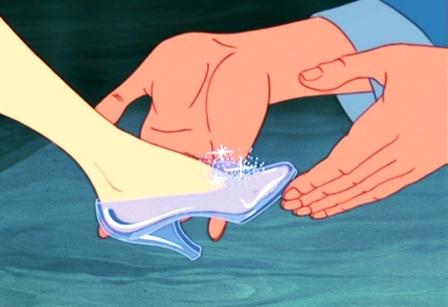
I was very blessed to have a daughter over nine years ago.  When she was born I immediately realized that one of my responsibilities as a father would be to sit through “girly” movies with her.  I remember taking her to the movie Cinderella, sitting next to her and watching her different facial expressions as she watched the movie.  She scowled as the mean step-sister tried to force a fit by stuffing her oversized foot in the glass slipper.  Later, as Cinderella slid her size three foot into the glass slipper creating a perfect fit, my daughter smiled with her head slightly tilted.

Find that Fit!
As a buyer, it is equally important to find the right fit with your suppliers.  Different packaging companies have different capabilities and strengths that can help their customers to be successful.  Certain packaging companies are great at coming up with new and innovative packaging solutions, while others are not.  The important thing is to do your research; suppliers should be able to tell you what their strengths are.

The Dangers of Not Listening:
I respect and appreciate those in business who always lend an ear to listen to a new opportunity.  Good business people understand the need to constantly search for new ideas.  The danger lies with those who close themselves off from ever hearing from others on how to improve what they are currently doing.  I understand the busyness that our jobs bring, but also realize that there is an extremely competitive market out there, so, if you’re not moving forward, you’re going backwards.

You Can’t Force a Fit:
There are usually consequences when suppliers try to force a fit.  The consequences include: poor quality, not being able to deliver on time, increased costs, unmet expectations, etc.  Good Suppliers will make sure to tell you when the fit is not there and buyers need to respect that.  This is why it is also important for buyers to understand the supplier’s capabilities before projects come up so you know who to turn to.

To be highly successful, create a list of suppliers and their strengths, if you have a need that your current supply base can’t fulfill, seek out suppliers who can.  Don’t limit the success of your product by the limitations of your supply base.

For more information or to learn more on what capabilities I can offer, contact: Brian Pankratz.  bpankratz@mercuryplasticsinc.com

Don’t miss a week! Sign-up today at http://www.brianpankratz.com to get week 8 of “Buyers Guide to Packaging” sent directly to your email.

“Buyers Guide to Packaging” – Week 6: Consumers Have Expectations.

22 Saturday Sep 2012

Posted by Brian Pankratz in Consumer Satisfaction, Info for Buyers, Marketing, Packaging Design

≈ Leave a comment

Tags

advertising, brian pankratz, brianjpankratz, buyer, Buyers Guide, cost savings, custom package design, Display Pack, Innovation, Marketing, packaging, packaging and containers, packaging companies, Packaging solutions, packaging supplier, premium packaging, Product Packaging, thermoforming

Have you ever tricked someone by wrapping a small gift in a rather large box?  Many people have done this to try to disguise their gift and alter the expectation on what is lurking under the shiny wrapping paper.  We all have expectations as we go about our day; you expect your alarm to go off when you set it, you expect the sun to come up in the morning, you expect a light to come on when you flip the switch.

How About Packaging?
The same goes for packaging, when consumers pace the aisle looking for a particular product, they have an expectation on how that product should be packaged.  The question is…did you meet their expectation?

Some Examples:
Think in your mind how you would expect these products to be packaged:
–  Cereal
–  Golf Balls
–  Printer Cartridges
–  Cell Phone Accessories

Minimum Expectations:
It’s easy to picture how each product should be packaged to meet our minimum expectations.  If we take the example of cereal, we know that cereal usually comes in a bag inside a box.  What would be your reaction if you opened up the box and found the cereal was in the box without being in a bag?  Would this meet your expectations?

If you were buying golf balls and one brand was in a nice fancy shiny carton and the other brand was in an unlabeled clear plastic bag, which one would you consider to be the better golf ball?  Which one would you choose if they were the same price?

If a printer cartridge was just in a bag and not a carton, would you consider it to be a better value?  Probably not!

Reality Check:
The reality is…consumers have certain minimum expectations when they purchase products.  When products don’t meet these expectations, the consumer calculates a lower perceived value of the product and may decide to choose another due to lack of confidence with the product.

As a buyer, it is important to understand the expectations on how your product should be packaged.  When packaging exceeds the expectation of the consumer, a product is perceived as a premium and may allow for a higher price point.  Don’t give the consumer a reason to doubt your product.  Understand ways to package your product that add value and build confidence with the consumer.

For more information or for questions on way to create a premium package, please contact: Brian Pankratz.  bpankratz@mercuryplasticsinc.com

Don’t miss a week! Sign-up today at http://www.brianpankratz.com to get week 7 of “Buyers Guide to Packaging” sent directly to your email.

“Buyers Guide to Packaging” – Week 5: Know Your Place

15 Saturday Sep 2012

Posted by Brian Pankratz in Info for Buyers, Marketing, Packaging Design, Product Development

≈ Leave a comment

Tags

advertising, brian pankratz, brianjpankratz, buyer, buyers, Buyers Guide, Design, Innovation, Marketing, New packaging designs, new product, packaging, packaging companies, Product Packaging, purchasing, single source, sustainability, thermoforming

There are several factors that contribute to how product is packaged; size, shape, weight, how many components, etc.  One of the more important factors that manufacturers need to consider is to know where the product will be sold.

Let’s get right to the point…grocery stores like product on shelves, where hardware stores like to hang product on peg hooks.  The point is, retailers like products they sell to be packaged a certain way, if you fail to package your product to their specifications, you will be left with two choices…either spend time and money to redesign your packaging or search for stores that will accept your packaging as is.  The key is to know your retail environment and to design packaging around the retailers expectations.

How Big:
Knowing how big or small to create your packaging is important to the retail environment. You may have a desire to create a large package creating a billboard telling everyone about your product, but for retailers, oversized packaging decreases profits.  Big retailers, such as Wal-Mart, have every square inch of their store accounted for.  If they can’t get the profit they need because your packaging is too big or bulky, you won’t see the hook or the shelf!

Stand or be Hung:
Retailers appreciate products that arrive with options.  When the exact retailer is unknown, try to create packaging that fits both situations.  Several packaging designs offer both the ability to be hung from a peg hook or to stand alone.  Knowing these options will help your chances of a successful product launch and less issues at the retail level.

The key to designing packaging that retailers appreciate starts with providing the right information to your packaging provider.  More information is always better.  Specifications and guidelines will help ensure that the correct packaging is designed and success is achieved at all levels from concept to the customer experience.

Don’t miss a week! Sign-up today at http://www.brianpankratz.com to get week 6 of “Buyers Guide to Packaging” sent directly to your email.

For more information or for any questions, please contact: Brian Pankratz.  bpankratz@mercuryplasticsinc.com

“Buyers Guide to Packaging” – Week 2: The Almighty Dollar!

25 Saturday Aug 2012

Posted by Brian Pankratz in Info for Buyers, Marketing, Packaging Design, Product Development

≈ Leave a comment

Tags

advertising, brian pankratz, brianjpankratz, buyer, buyers, Buyers Guide, Design, Display Pack, Marketing, New packaging designs, new product, packaging, packaging companies, packaging design, Packaging solutions, pankratz, printing, product development, purchasing, Quality, sustainability, thermoforming

As a buyer, it’s important to get the best price for your packaging.  Price is by far the biggest factor buyers consider when choosing packaging for their product.  The mistake some buyers make is they use price as their only factor in determining who to buy from.  They assume that just because two parts look alike, they are the same.  This couldn’t be further from the truth.  Veteran buyers have seen this first hand and can tell you that you need to do more that focus on price.  Here are some things to consider…

Don’t Sacrifice Quality for Price
Have you ever bought something that was inexpensive, got it home, used it once, and then it broke?  Your good deal didn’t seem like a good deal anymore, did it?  In all industries, you need to pay attention to the quality level your suppliers can perform to.  Does the supplier’s packaging meet the expectations of your brand, or are you sacrificing the look of your brand because you are getting a good deal on packaging?  The thing to understand is…consumers know quality when they see it.  If a products packaging is damaged on the shelf, red sirens and flashers signal to the consumer, “beware of this product.”

Understand the Consumer’s Expectations For Your Product
As consumers shop, they have an expectation of how something should be packaged.  For instance, do you think it makes sense to put a pair of blue jeans in a clamshell?  Consumers have an expectation that blue jeans will be folded neatly and accessible so they can be easily tried on.  Toys will be packaged so kids can try them out, and electronics will be packaged so they don’t get damaged or stolen.  My point?  Know your product so you can meet or exceed the consumer’s expectations!

Know the Part Specifications
When comparing similar packaging, ask for specific material specifications along with the price of the components.  Don’t fall victim to down gauging for price reductions when the material quoted will not meet the requirements or keep the integrity of your product while on the store shelf.

The bottom line is to know what you are paying for.  Don’t sacrifice quality for cost.  Good packaging suppliers will be able to tell you what materials you  need to keep the integrity of your product’s packaging.  Quality packaging equals quality product!
For more information or for any questions, please contact: Brian Pankratz.  bpankratz@mercuryplasticsinc.com

“Buyers Guide to Packaging” – Week 1: Don’t Ask – Don’t Tell

18 Saturday Aug 2012

Posted by Brian Pankratz in Info for Buyers, Packaging Design, Product Development

≈ 2 Comments

Tags

brian pankratz, brianjpankratz, buyer, buyers, Buyers Guide, cost reduction, cost savings, Display Pack, environment, maximize profit, new product, packaging, packaging companies, Packaging solutions, printing, product development, Supplier

This week launches us into a new weekly series titled, “Buyers Guide to Packaging.”  The information I will be offering in this series will make it a “must read” for every buyer in the packaging industry.  If you are a buyer, then you understand fully the continued pressure to drive out waste and cut cost.

Not knowing how to do this could be frustrating at all levels.  My goal in this series is to inform buyers and give them the tools needed to maximize their buy while driving cost out of their operation without sacrificing the integrity of the brand.

Always Ask
This week I am going to give you a simple question that you can ask your packaging suppliers.  The simplicity of this question should not be confused with the results it can yield.  Your suppliers know what materials run better than others, what sizes layout better on their equipment, and ways to optimize design features for smooth manufacturing.  The problem is, some buyers never ask…and some suppliers never tell.

Why Don’t Suppliers Say Anything?
So, why is it if suppliers know how to save their customer money, they don’t say anything?  There are a few reasons why this may happen…some customers aren’t open for change, some suppliers think designs are set in stone and can’t be changed, the other reason is…buyers don’t ask.

Set Yourself Up For Success
As a buyer, it helps to know what materials are more cost effective, how certain designs dictate costs (specifically what features add cost), and the specifications of your suppliers equipment.  For example, if your supplier has an offset printer that can print up to 6 colors on the front side and 1 color on the back and you send over artwork consisting of 4 color process with 3 spot colors on the front, you just bought yourself 2 passes.  There are many examples like this, I think you see what I am talking about.

Remember that every detail matters!  Working together with your suppliers in the initial stages of projects is the best time to have these types of discussions.  Let your supplier help find ways where costs can be cut and profits can increase.  If you don’t ask the simple question, you may never get the simple answer.

Don’t miss a week, sign-up today at http://www.brianpankratz.com and get week 2 of “Buyers Guide To Packaging” sent directly to your email.

For questions or comments, please contact Brian Pankratz, bpankratz@mercuryplasticsinc.com.

Follow Blog via Email

Enter your email address to follow this blog and receive notifications of new posts by email.

Mercury Plastics, Inc

Recent Posts

  • Plastic Prices Rising
  • PVC Clamshells Are Out!
  • CUSTOM THERMOFORMING IN REVIEW
  • Mercury Plastics, Inc. Expands Operations
  • Questions to ask when designing packaging: Determining how to package
  • Questions to ask when designing packaging: Understand the product
  • Reasons Why Packaging Designs Fail – Marketing
  • Reasons Why Packaging Designs Fail – Structure
  • Reasons Why Packaging Designs Fail – Design
  • The 4 steps to every consumer purchase – Week 4

Categories

  • Consumer Satisfaction
  • Cost Savings
  • Info for Buyers
  • manufacturing
  • Marketing
  • Packaging Design
  • Plastic Packaging
  • Product Development
  • Quality
  • Sustainability

Powered by WordPress.com.


Loading Comments...